
If you’ve tried to buy a new car recently in the U.S., chances are you walked away a little confused. Or frustrated. Or both.
I had the same feeling earlier this year when I casually checked prices at a local dealership. Cars that used to feel “normal” suddenly looked premium. Even base models weren’t cheap anymore.
So what’s really happening here?
Why do new cars in the USA feel so expensive in 2026?
The short answer is: it’s not just one reason.
The long answer is what most buyers actually need to understand.
Also Read: 2026 BMW M1000RR: The $43,000 Track Weapon That’s Hiding Massive Power (Until You Unlock It!)
It Didn’t Happen Overnight (Even If It Feels Like It Did)
A lot of people think car prices jumped suddenly. But that’s not really true.
What actually happened is slower and quieter.
Costs increased year after year. Materials. Labor. Technology. Regulations. By the time most buyers noticed, prices were already locked in.
And now, in 2026, we’re seeing the full effect.
Inflation Hit the Auto Industry Harder Than Most People Realize
When inflation comes up, people usually think about groceries or gas.
Cars don’t get mentioned enough.
Steel prices went up. Aluminum costs rose. Shipping became more expensive. Even things like seat foam, wiring, and glass saw price increases.
Then there’s labor.
U.S. automakers are paying higher wages than they did just a few years ago. That’s good for workers, but it’s also a cost that doesn’t disappear. It ends up in the final price of the car.

And no, manufacturers don’t just “absorb” these costs forever. That idea sounds nice, but it’s not realistic.
Modern Cars Are Packed With Stuff Older Cars Never Had
Here’s something many buyers forget.
Cars today are not the same machines they were 10 or 15 years ago.
Even entry-level models now include:
- Touchscreens
- Backup cameras
- Advanced safety sensors
- Driver assistance features
Some of these are legally required now. Others are expected by buyers.
But all of them cost money.
Cars have quietly turned into rolling computers, and software development isn’t cheap. Updates, testing, compatibility – it all adds up.
Honestly, when you compare a 2012 car interior to a 2026 model, they don’t even feel like the same category anymore.
Safety Rules Save Lives – But They Also Raise Prices
No one complains about safer cars. And for good reason.
Today’s vehicles are safer than ever. Stronger frames. More airbags. Smarter crash detection.
But safety isn’t free.
Every regulation requires engineering, testing, and compliance. Automakers don’t get a discount for doing the right thing. They pay for it, and so do buyers.
Most people never notice these features directly, but they still affect the sticker price.

EV Push Changed the Entire Pricing Game
Even if you’re not shopping for an electric vehicle, EVs still affect what you pay.
Automakers are investing massive amounts of money into electric platforms, battery technology, and charging infrastructure. That investment doesn’t sit in a separate box.
It spreads across the lineup.
Gas cars aren’t getting cheaper just because EVs exist. In some cases, they’re actually getting more expensive because production volumes are lower.
This shift is one of the biggest reasons car pricing feels “different” now.
Dealership Pricing Still Isn’t Back to Normal Everywhere
Yes, the crazy markups from a few years ago are mostly gone.
But “mostly” doesn’t mean “completely.”
Some models still sell above MSRP in high-demand areas. Dealers know which cars move fast and which buyers don’t want to wait.
So while the official price might look reasonable online, the real number at the dealership can feel very different.
That’s what frustrates many buyers the most.
Affordable New Cars Are Slowly Disappearing
This part doesn’t get talked about enough.
Many automakers quietly stopped making truly cheap cars. Low-margin models don’t make much business sense anymore, especially when buyers are willing to pay more for features and tech.
As a result, the “entry-level” car of 2026 is often better equipped – and more expensive – than the entry-level car of the past.
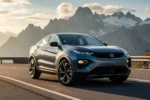
Finding a brand-new car that feels genuinely budget-friendly is harder than it used to be.
Are Automakers Just Being Greedy?
This question comes up a lot.
The honest answer is: not entirely.
Yes, companies want profits. But rising prices aren’t just about greed. They reflect higher costs, higher expectations, and a changing market.
Some pricing decisions still feel aggressive. I won’t deny that. But it’s not as simple as “they decided to charge more.”
The structure of the industry itself has changed.
Will New Car Prices Go Down Anytime Soon?
This is where people usually hope for good news.
But the reality is mixed.
Prices may level off. Incentives may return. Some models might even get slightly cheaper. But a major drop across the board? That’s unlikely.
Many of the factors driving higher prices are permanent.
Technology won’t disappear. Safety rules won’t loosen. Labor costs won’t rewind.
This doesn’t mean buyers are stuck. It just means expectations need to adjust.
What Smart U.S. Buyers Are Doing in 2026
Instead of waiting endlessly for prices to fall, many buyers are changing strategy.

Some are keeping their cars longer.
Others are choosing certified pre-owned vehicles.
Many are being flexible on trims or features.
A few are shopping outside their local area to find better deals.
It’s less about chasing the lowest price now, and more about finding value.
So, What’s Really Going On?
If new cars feel expensive in the USA right now, it’s because they are – but not for one simple reason.
Inflation, technology, regulations, electrification, and market shifts all collided at once. And buyers are seeing the result in 2026.
It’s frustrating. It’s confusing. And for many people, it feels unfair.
But understanding why it’s happening helps you make better choices.
And in today’s market, that might be the most important thing.
Final Thought
When I compare prices today with what I remember from just a few years ago, the difference still surprises me. And I’m not alone.
If you’re feeling the same way, you’re not out of touch. The market really has changed.
The key now is adapting – not waiting for a past that probably isn’t coming back.

Dhanush, an automobile expert with over 5 years of experience in the latest auto news and updates. Your go-to source for every development in the world of cars and bikes